%2Ffit-in%2F250x250%2Fguide_websites%2F96791%2Fimages%2F1770166915186515490041_651108921327442_7091750868891900795_n-removebg-preview.png&w=1920&q=100)
/users/46bb1b64-65e5-49d4-ba0b-e70efcf915d3/ratecard/565344091_724623457309321_5904167437862826460_n-ml79mko5.jpg)
%2F300x300%2Fusers%2F46bb1b64-65e5-49d4-ba0b-e70efcf915d3%2Fratecard%2F565344091_724623457309321_5904167437862826460_n-ml79mko5.jpg&w=256&q=75)
%2F300x300%2Fusers%2F46bb1b64-65e5-49d4-ba0b-e70efcf915d3%2Fimages%2Fangler-fishing-spring-hill-2753.jpg&w=256&q=75)
%2F300x300%2Fusers%2F46bb1b64-65e5-49d4-ba0b-e70efcf915d3%2Fimages%2Fredfish-caught-spring-hill-2392.jpg&w=256&q=75)
%2F300x300%2Fusers%2F46bb1b64-65e5-49d4-ba0b-e70efcf915d3%2Fimages%2Fsnook-fishing-florida-2637.jpg&w=256&q=75)
%2F300x300%2Fusers%2F46bb1b64-65e5-49d4-ba0b-e70efcf915d3%2Fimages%2Fbest-fishing-haul-fl-2881.jpg&w=256&q=75)
%2F300x300%2Fusers%2F46bb1b64-65e5-49d4-ba0b-e70efcf915d3%2Fimages%2Fredfish-spring-hill-fishing-2642.jpg&w=256&q=75)
%2F300x300%2Fusers%2F46bb1b64-65e5-49d4-ba0b-e70efcf915d3%2Fimages%2Fsheepshead-fish-spring-hill-catch-2659.jpg&w=256&q=75)
%2F300x300%2Fusers%2F46bb1b64-65e5-49d4-ba0b-e70efcf915d3%2Fimages%2Fexcellent-fishing-spring-hill-2844.jpg&w=256&q=75)
%2F300x300%2Fusers%2F46bb1b64-65e5-49d4-ba0b-e70efcf915d3%2Fimages%2Ffishing-adventure-florida-2617.jpg&w=256&q=75)
%2F300x300%2Fusers%2F46bb1b64-65e5-49d4-ba0b-e70efcf915d3%2Fimages%2Fflorida-pompano-fishing-in-fl-2708.jpg&w=256&q=75)
%2F300x300%2Fusers%2F46bb1b64-65e5-49d4-ba0b-e70efcf915d3%2Fimages%2Fspotted-weakfish-spring-hill-fishing-2638.jpg&w=256&q=75)
Spring Hill Inshore Snook Redfish Charter
 Hernando Beach
What you will be catching:
 Cobia
Cobia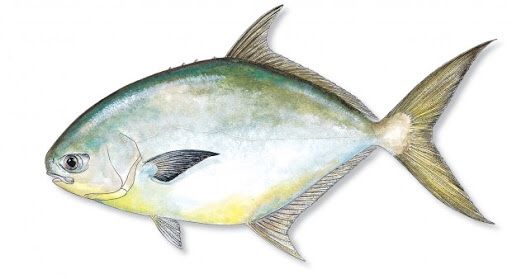 Florida Pompano
 Redfish
 Sea Trout
 Snook
Snook
- Half-day morning charter targeting snook, redfish, and speckled trout near Hernando Beach
- $400 package includes fishing license, quality gear, live bait, and refreshments for four guests
- Expert Captain Kyle provides guided experience in productive shallow flats around Spring Hill
Trip Pricing and Availabilities:
Half Day Spring Hill Inshore Fishing Charter
Captain Kyle knows these Spring Hill waters like the back of his hand, and he's ready to put you on some serious fish. This half-day morning charter kicks off at 8:00 AM sharp from Spring Hill, targeting the productive flats and grass beds around Hernando Beach. Whether you're a seasoned angler or picking up a rod for the first time, this trip is designed to get everyone hooked up. At $400 for up to four people, you're getting top-rated guidance, all the gear you need, and access to some of the Gulf Coast's best inshore fishing grounds. Just remember to bring cash for the remaining balance – that's how Captain Kyle keeps things simple and straightforward.
What to Expect on the Water
You'll be fishing the shallow waters where the grass meets the sand, working the mangrove shorelines, and hitting the deeper pockets where big fish like to ambush their prey. Captain Kyle provides everything you need – Florida fishing licenses, quality rods and reels, a mix of live bait and proven lures, plus cold drinks to keep you comfortable. The morning bite is typically the most productive, so that 8:00 AM start time puts you right in the sweet spot. Pack your polarized sunglasses and a hat because you'll be sight-fishing in clear, shallow water where spotting fish is half the fun. Non-spray sunscreen is a must – the reflection off the water can burn you faster than you think. Feel free to bring snacks and moderate alcohol, just keep it to beer and wine in cans or plastic bottles.
Techniques & Tackle
This is classic Florida inshore fishing at its finest. You'll be working both artificial lures and live bait depending on what the fish are telling us. Captain Kyle switches between soft plastics rigged weedless for working over grass beds, topwater plugs for early morning surface action, and live shrimp or pinfish when the bite gets tough. The water around Hernando Beach ranges from two to eight feet deep, perfect for sight-casting to cruising fish. Polarized glasses become your best friend out here – you'll learn to spot the dark shadows of redfish tailing in skinny water or the silver flash of trout holding near structure. The boat stays in close contact with the bottom structure, using the trolling motor to position quietly without spooking fish in these clear shallows.
Species You'll Want to Hook
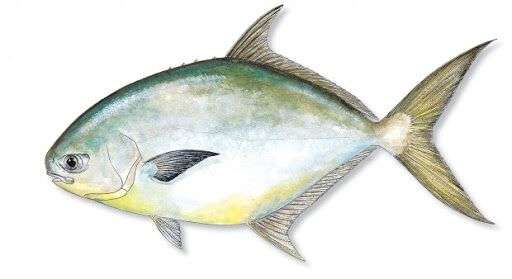
Florida Pompano are the crown jewel of the flats, and Spring Hill's grass beds hold some beautiful fish. These silver bullets typically run 12 to 16 inches and fight way above their weight class. Pompano love sandy areas adjacent to grass flats, especially during moving tides. They're notorious for their acrobatic jumps and blistering runs. The best action usually happens from late spring through early fall when they're feeding heavily on small crabs and sand fleas. What makes pompano special is their incredible table fare – many consider them the best eating fish in these waters.
Snook are the ultimate inshore gamefish around here, and Captain Kyle knows exactly where they like to hang out. These ambush predators love structure – docks, mangrove overhangs, and channel edges where they can surprise unsuspecting baitfish. A good Spring Hill snook runs anywhere from 20 to 35 inches, with some real giants pushing the 40-inch mark. They're incredibly smart fish with excellent eyesight, making them a real challenge on light tackle. The warmer months bring the most consistent action, but cooler weather can produce some of the biggest fish of the year. Their gill-rattling jumps and powerful runs make every hookup memorable.
Sea Trout, or speckled trout as locals call them, are probably the most reliable fish in these waters. They school up over grass beds and around structure, making them perfect for groups where everyone wants to stay busy. A typical Spring Hill trout runs 14 to 20 inches, with the occasional "gator trout" stretching past two feet. These spotted beauties are most active during low-light periods and moving water. They're excellent table fare and relatively easy to catch, making them ideal for kids and beginners. The key is finding the right depth – usually four to six feet where the grass is thick enough to hold bait but open enough for trout to hunt.
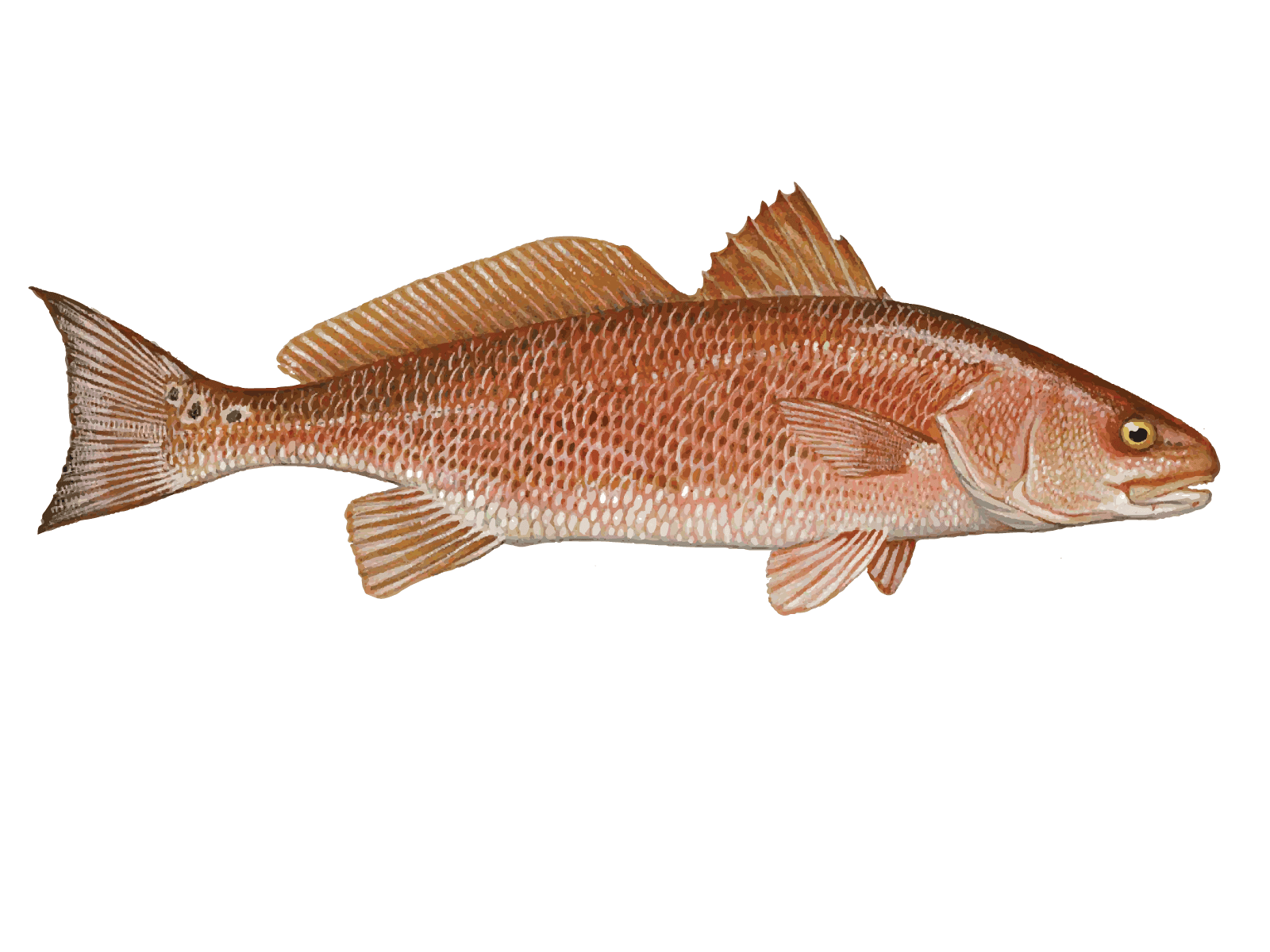
Redfish are the workhorses of the flats, and few things beat watching a big red cruise through shallow water with its back out. Spring Hill's reds typically range from 18 to 28 inches, perfect slot-size fish that fight like freight trains. They love shallow grass flats during high tide and deeper edges when the water drops. Sight-fishing for reds is addictive – you'll spot their copper-colored backs or see their tails waving as they root around for crabs. These fish are available year-round, but fall brings some of the best action when they school up in large numbers.
Cobia are the bonus fish that can make your entire trip. These brown sharks, as some folks call them, cruise the flats looking for rays and crabs to follow. Spring Hill cobia typically run 25 to 40 inches and are absolute bulldogs on the line. They're curious fish that will often approach the boat, giving you a shot at sight-casting. The best cobia fishing happens during the warmer months when they move into shallow water. What makes cobia special is their incredible fighting ability and excellent eating quality. Landing one is always a highlight, whether it's your first or your fiftieth.
Time to Book Your Spot
Captain Kyle's Spring Hill inshore charter delivers exactly what serious anglers are looking for – consistent action, local expertise, and access to some of Florida's best inshore fishing. At $400 for four people, you're getting a world-class fishing experience that includes everything except the memories you'll make. The morning bite around Hernando Beach is legendary, and having a guide who knows every grass bed, channel
Learn more about the animals
Cobia
Cobia are the wildcards of our fishing trips - these dark brown, shark-looking fish are loners that can show up anywhere from shallow bays to deeper structure. They're big fish, averaging 20-40 pounds with some pushing 60+, and they're absolute bulldogs when hooked. You'll typically find them around buoys, wrecks, or following rays in 15-50 feet of water. Spring through fall is best, especially during their spawning runs. What guests love is the sight-fishing aspect - we often spot them cruising just under the surface - and they're some of the best eating fish in the Gulf with firm, white meat like mahi. They're curious fish that'll often approach the boat. Pro tip: when you see one, get a bucktail jig or live bait down quick and right in front of their nose - they don't spook easy but they move fast.
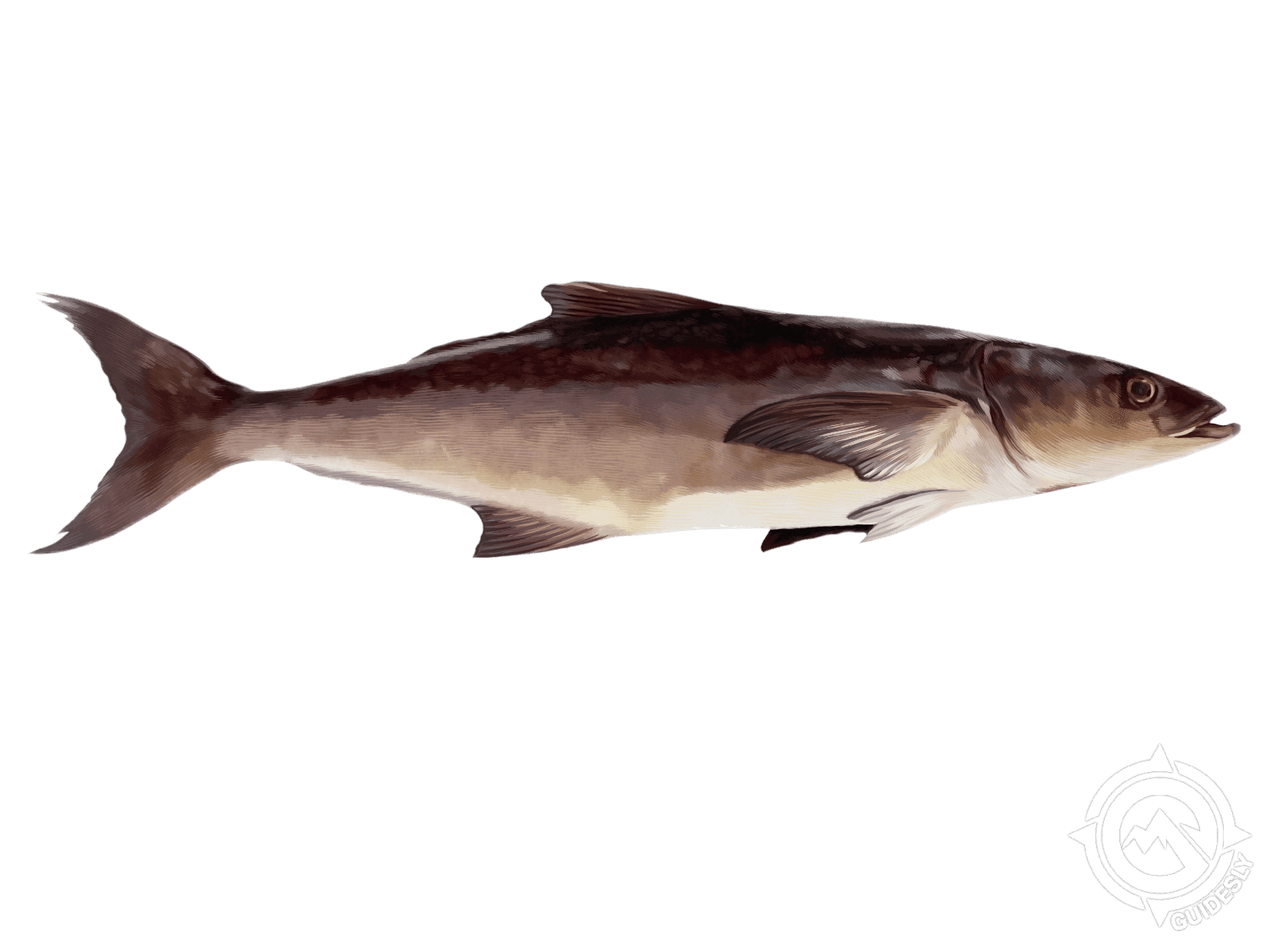
Florida Pompano
Florida Pompano are one of the most sought-after fish around here - they're absolutely delicious with that buttery, sweet meat that restaurants pay top dollar for. These silvery beauties with bright yellow fins typically run 1-3 pounds, though we occasionally see bigger ones. You'll find them cruising the shallow Gulf waters near beaches and sometimes moving into the bay areas. They travel in schools and love feeding on shrimp, crabs, and small mollusks in the sandy bottom. Summer and fall are prime time since they head deeper when it gets cold. They're scrappy fighters from the jack family, so expect a good battle. Pro tip: use small hooks since their mouths are tiny, and bright yellow or orange jigs work great in our clear water. Live shrimp is hard to beat for bait.
Redfish
Redfish are the bread and butter of our inshore fishing - these copper-colored beauties with the distinctive black spots near their tail are built for shallow water. Most slot fish run 18-27 inches, but we see plenty of oversized "bulls" that'll test your drag system. They love super shallow flats, sometimes with their backs out of the water, around oyster bars, mangroves, and grass beds. Year-round fishing is good, but fall and spring are prime time when they school up. What makes them special is that powerful, sustained fight and willingness to eat almost anything. Plus, they taste great with mild, sweet meat. The key trick: look for nervous water or tailing fish on calm mornings, and don't be afraid to fish water so shallow you think you'll run aground. They're there.
Sea Trout
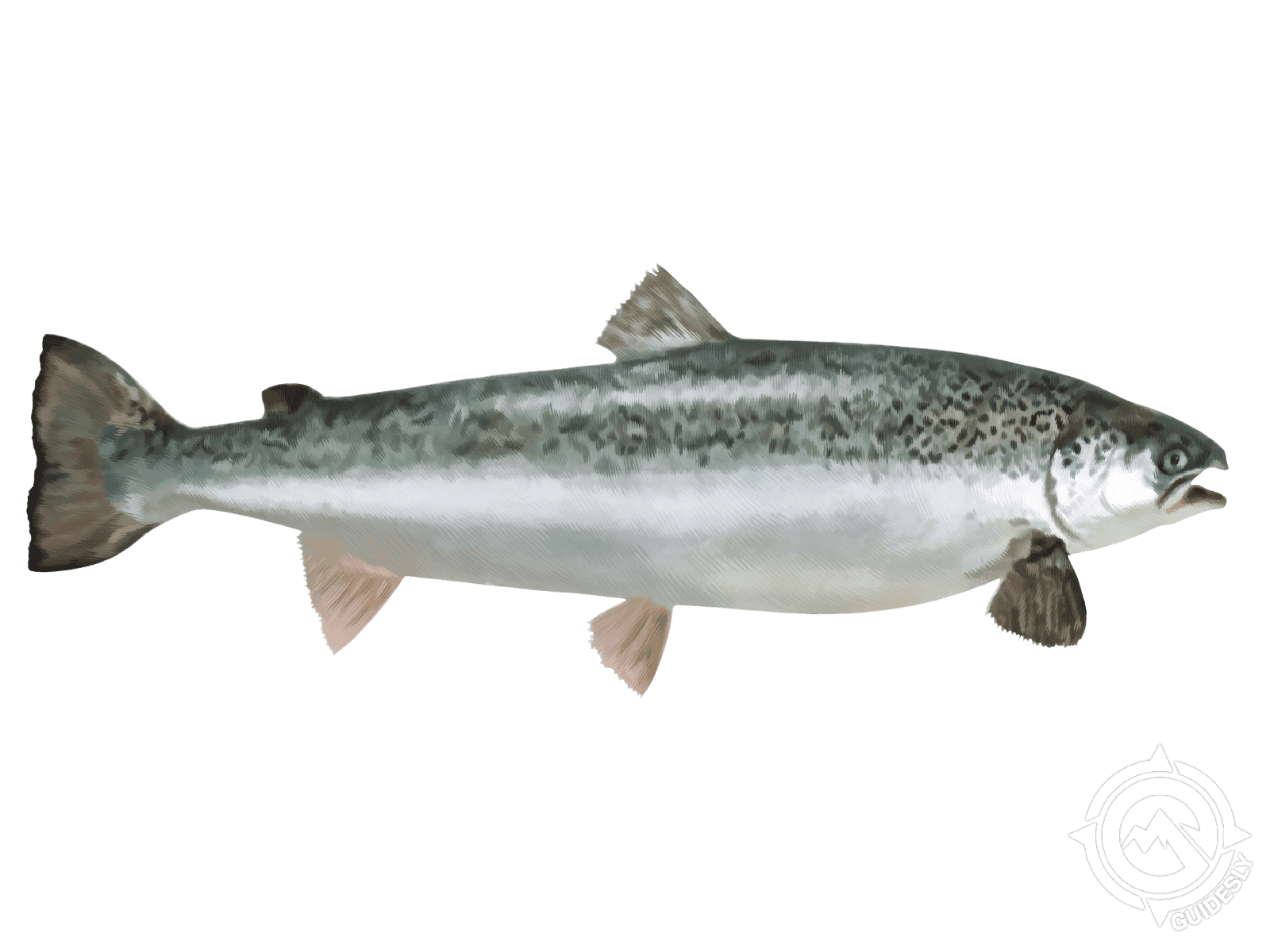
Speckled Trout are probably the most consistent fish we target in these waters - they're spotted beauties that typically run 12-18 inches and make excellent table fare with their flaky white meat. You'll find them over grass flats and around structure in 2-8 feet of water, though they can go deeper in winter when they school up. They feed heavily on shrimp, small crabs, and baitfish. Best action happens during moving tides, especially early morning and evening. What guests love is they're willing biters and fight well for their size, plus they're perfect for families since they're easier to catch than snook. The meat is tender and mild - just don't overcook it or it gets mushy. My go-to tip: use a popping cork with live shrimp about 18 inches below, and work it slowly over the grass.
Snook
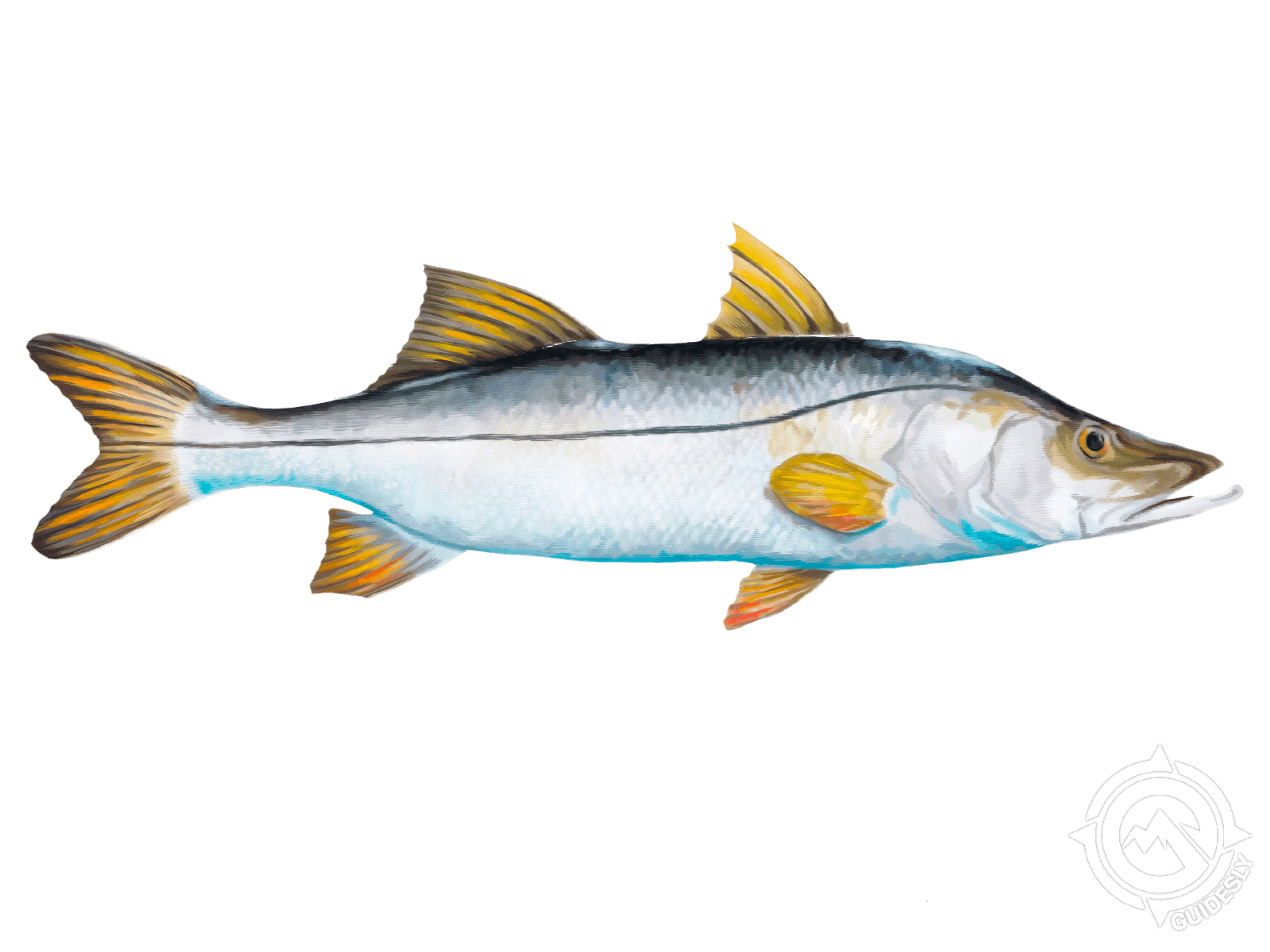
Snook are the ultimate inshore game fish around Spring Hill - they're ambush predators with that distinctive black lateral line and sloped head. Most run 18-30 inches, but the big girls can push 40+ inches since they change from male to female as they grow. You'll find them around mangroves, docks, and oyster bars in 2-10 feet of water where they can hide and strike. They're structure-oriented like bass, so think cover. Best fishing is dawn and dusk, especially during warmer months when they're most active. What makes them special is that explosive strike and bulldogging fight - plus they're great eating with firm, white meat. Here's the key: they're incredibly line-shy, so use fluorocarbon leader and make accurate casts to the structure edges rather than right on top of them.
About the Fins Up Boat
%2F%2Fusers%2F46bb1b64-65e5-49d4-ba0b-e70efcf915d3%2Fvehicle_picture%2F472560476_499947226443613_89107850734ss37406349_n1-ml78d2jo.jpg&w=1920&q=75)
Vehicle Guest Capacity: 4
Manufacturer Name: Suzuki
Maximum Cruising Speed: 35
Number of Engines: 1
Horsepower per Engine: 175